"Sustainable safari" and "eco-friendly safari" are words you will see on almost every tour operator's website. But what does a responsible safari in Tanzania actually look like on the ground — and how can you tell the difference between a company that lives it and one that only says it? Here is how we think about it at Sustainable Safari Tours, a small, locally owned company based in Arusha and founded by Maasai guide Joshua Zakayo Mollel.
What makes a safari sustainable?
A sustainable safari is one where your visit leaves the wildlife, the land and the local people better off — not just your photo album. In practice that comes down to four things:
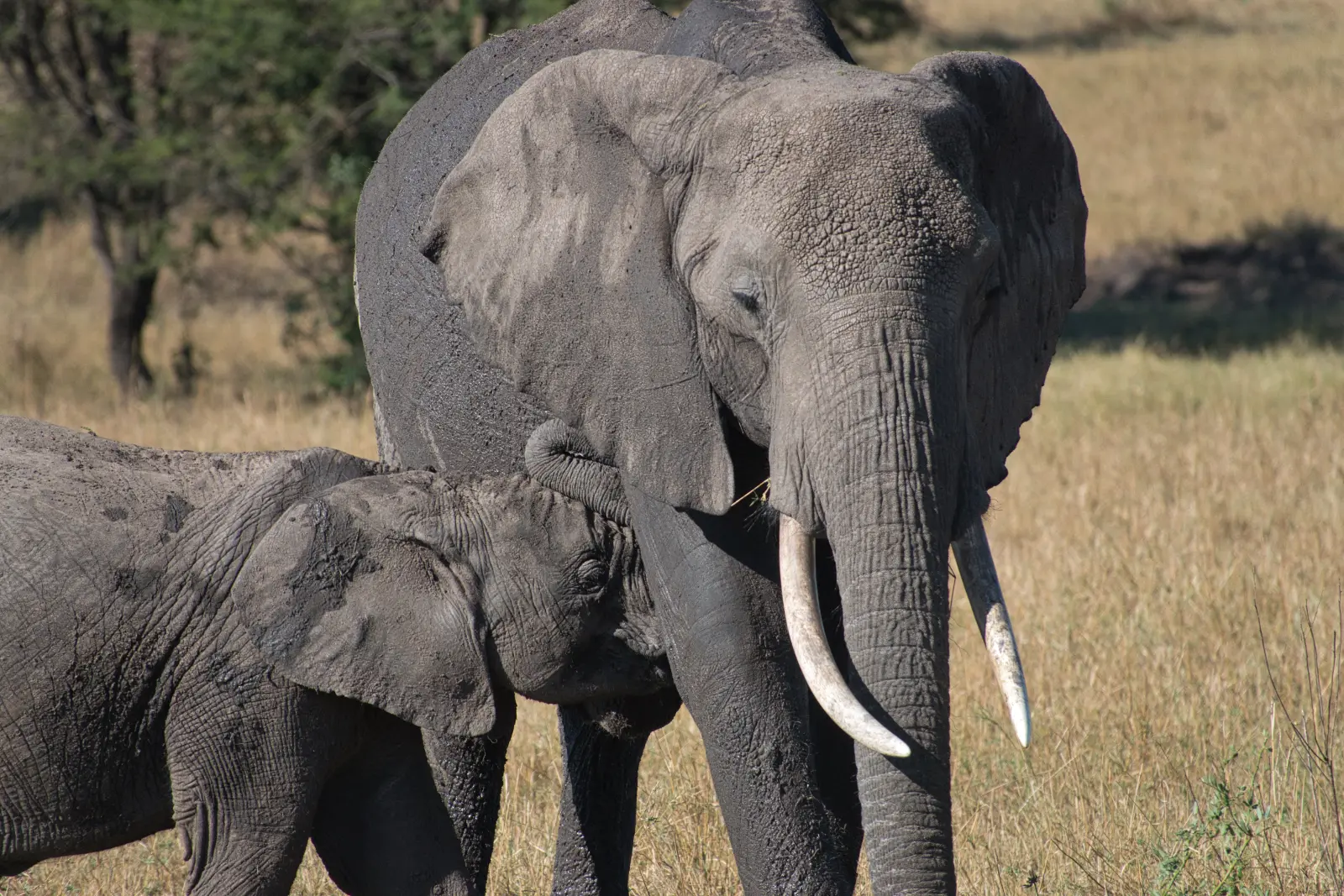
- Respect for wildlife. Animals are watched from a distance, never chased, crowded or baited. Vehicles stay on permitted tracks, engines are switched off at sightings, and guides put the animal's behaviour before the perfect photo.
- Money that stays in Tanzania. When you book with a locally owned operator, your money pays Tanzanian guides, drivers, cooks and lodges, and supports the communities that live alongside the parks.
- Fair treatment of the people who make your trip happen. Fair pay, proper training and respect for guides, porters and camp staff.
- Low impact on the land. Small private groups instead of convoys, refillable water instead of plastic bottles, and lodges and camps that manage water, waste and energy carefully.
How we travel responsibly at Sustainable Safari Tours
1. Local and Maasai-owned
Sustainable Safari Tours is founded and run by Joshua, a Maasai guide from northern Tanzania who still guides many of our safaris himself. Our team are Tanzanians who know these parks as home. When you plan your trip, you speak directly to the people who will guide you — no international middlemen.
2. Private, small-group safaris
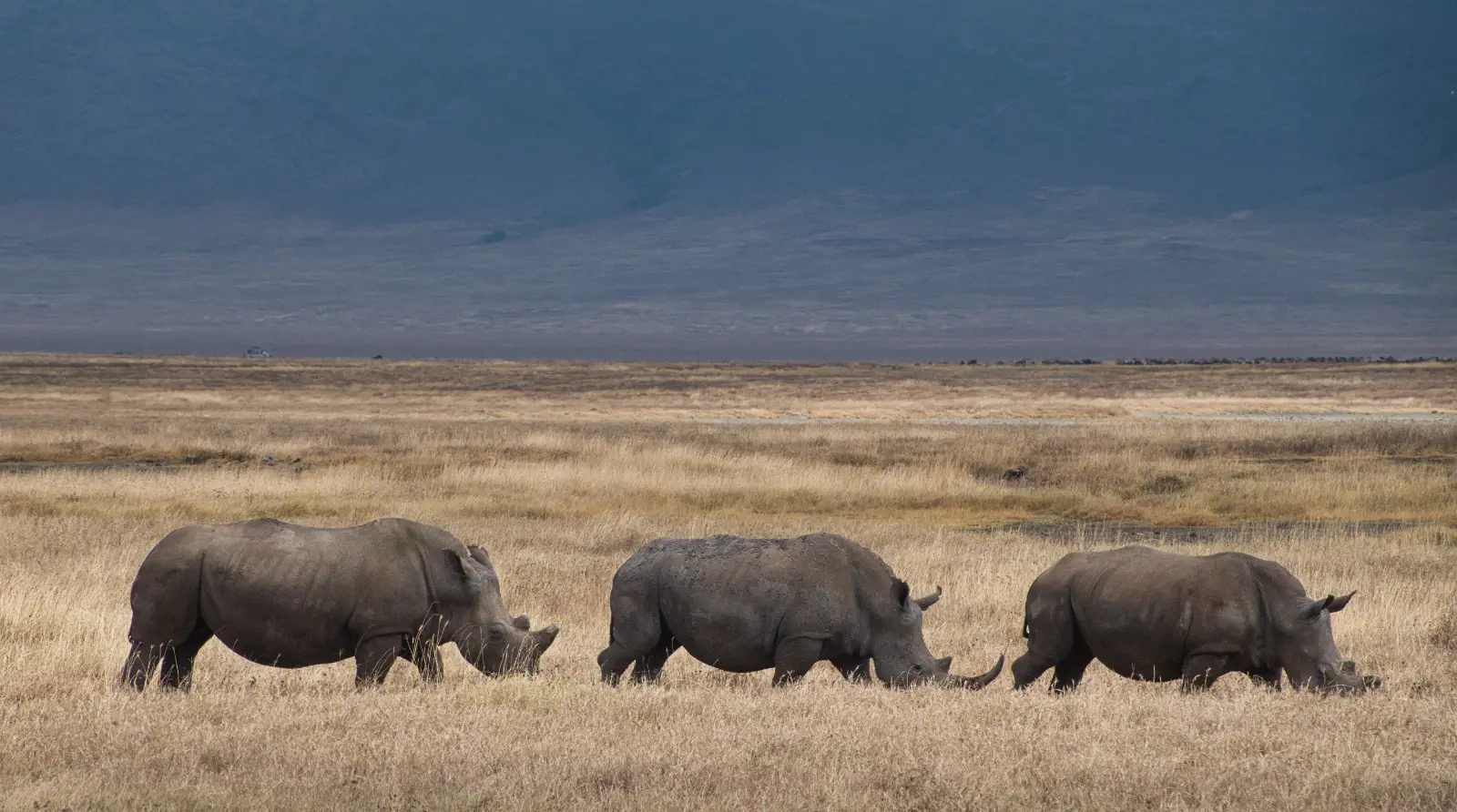
Every safari we run is private and tailor-made. Fewer people per vehicle means fewer vehicles at each sighting, more patience with the animals and a quieter experience for you. We plan routes and timings to avoid the busiest spots where we can — for example, choosing quieter areas of the Serengeti and timing Ngorongoro Crater descents carefully.
3. Guiding that puts animals first
Our guides explain behaviour rather than rushing from one tick-list animal to the next. Guests often tell us that understanding why a lioness is waiting, or how an elephant family communicates, became the highlight of their trip. We follow park rules on distances and off-road driving, and we never encourage guests to feed or call animals.
4. Giving back to communities and conservation
Every safari booked sends a contribution to conservation and to community projects in the areas we visit. We also include respectful cultural visits — such as time with Maasai families or the Hadzabe hunter-gatherers near Lake Eyasi — where the community is paid directly and the visit is on their terms, not a staged show.
5. Less plastic, less waste
Tanzania banned plastic carrier bags in 2019, and we go further: our vehicles carry filtered drinking water so you can refill a bottle instead of buying new ones, and we pack out everything we bring into the bush.
How to choose an eco-friendly safari company
Whoever you travel with, these questions will quickly show you how responsible an operator really is:
- Is the company locally owned, and who are the guides? Can you speak to them before booking?
- How many guests share a vehicle? (Private or small groups are better for wildlife and for you.)
- What specifically happens with the "conservation contribution" — and can they tell you about the projects?
- How are cultural visits arranged, and who receives the fee?
- What do guests say about the guide's behaviour around animals? Read recent reviews, not just star ratings.
Is a sustainable safari more expensive?
Not necessarily. Because we are local and work directly with lodges and camps, our private safaris start from US$400 per person per day for groups of five or more, US$500 per person per day for two to four guests (mid-range), and from US$600 per person per day for luxury — including park fees, your private 4×4 vehicle and guide, accommodation and meals. See our full guide to Tanzania safari costs for details.
Start planning
Have a look at our most popular private safaris — the 5 Days Big Five Safari, the 7 Days Calving Season Safari and the 9 Days Beyond the Hills Safari with its Hadzabe cultural visit — or tell us your dates and we will design a safari around you. You can also meet Joshua and read what our guests say on Tripadvisor, where we are rated 5.0.
📷 Wildlife photography by Henricus Fransiscus, taken on safari with Sustainable Safari Tours.