Packing for a Tanzania safari is different from packing for a normal holiday. You will spend long days in an open-roof vehicle, early mornings can be cold, afternoons hot and dusty, and if you take a light aircraft your luggage may be limited. After years of guiding guests through the Serengeti and Ngorongoro, this is the packing list we send to every traveller.
Luggage: bring a soft bag
Pack in a soft duffel bag rather than a hard suitcase — it fits more easily in safari vehicles and is required on most light-aircraft flights, which usually limit luggage to around 15 kg per person including hand luggage. Leave extra luggage at your Arusha hotel if you are continuing to Zanzibar.
Clothing
- Neutral colours — khaki, olive, beige and brown. Avoid dark blue and black, which attract tsetse flies in areas such as Tarangire, and bright white, which shows dust instantly.
- Layers: a fleece or warm jacket for early game drives and the cold Ngorongoro Crater rim (it can be close to freezing at dawn), plus T-shirts for the heat of the day.
- 2–3 pairs of comfortable trousers and a pair of shorts
- Long-sleeved shirts for sun and mosquito protection in the evenings
- A wide-brimmed hat or cap and a buff or scarf for dust
- Comfortable closed shoes or light walking shoes, plus sandals for camp
- A light rain jacket in the green season (November–May)
- Swimwear if your lodge has a pool or you are adding Zanzibar
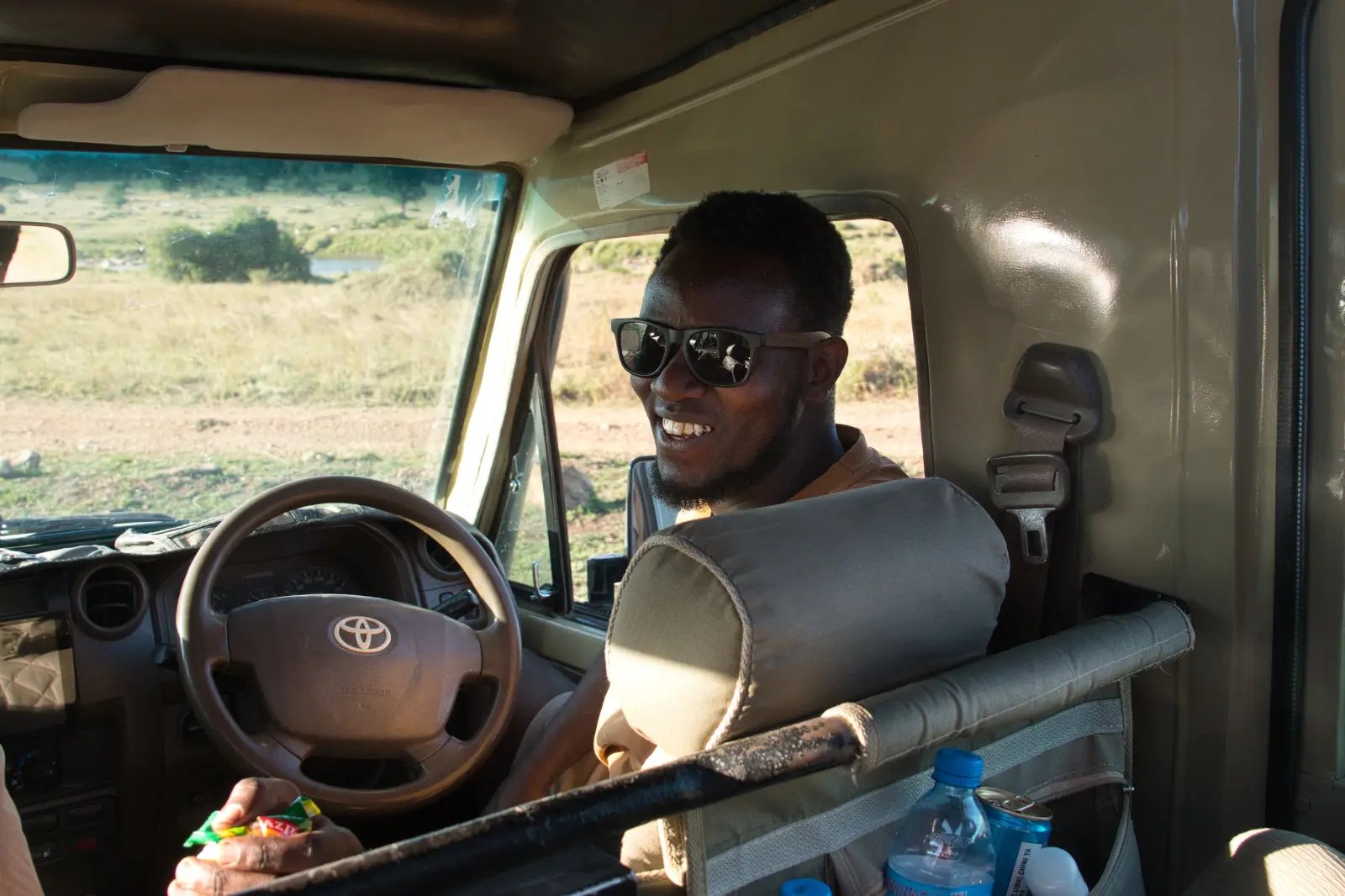
Safari gear
- Binoculars — one pair per person if possible. They make a huge difference for birds and distant predators.
- Camera with a zoom lens (100–400 mm is ideal) or a phone with good zoom; spare batteries and memory cards.
- A power bank — our vehicles have charging points, but a backup is useful.
- A small daypack for the vehicle
- Sunglasses, sunscreen (SPF 30+) and lip balm
- Insect repellent with DEET or picaridin
- A reusable water bottle — we provide filtered water to refill it
Health and documents
- Passport valid for at least six months, with blank pages
- Tanzania e-visa (apply online before you travel) and printed copies of your bookings and travel insurance
- Yellow fever certificate if you are arriving from, or transiting through, a country with yellow fever risk
- Malaria prevention: speak to your doctor or travel clinic about anti-malaria tablets before you travel
- A small first-aid kit with personal medication, rehydration salts and hand sanitiser
- Some US dollars in small, recent notes (printed after 2009) for tips and extras
What not to bring
- Plastic carrier bags — they are banned in Tanzania and can be confiscated on arrival. Use zip-lock bags or packing cubes instead.
- Camouflage clothing, which is reserved for the military in many African countries
- Drones — flying drones in national parks is not allowed without special permits
- Too many clothes: most lodges offer laundry, so a week's worth is plenty for a longer trip
Ready to go?
Once your bag is packed, all you need is the right safari. Browse our 5 Days Big Five Safari or 7 Days Calving Season Safari, read about the best time to visit Tanzania, see what a safari costs, or contact us to plan a private trip around your dates.
📷 Wildlife photography by Henricus Fransiscus, taken on safari with Sustainable Safari Tours.