Kilimanjaro has five main trekking routes to the summit at Uhuru Peak (5,895m). Each offers a completely different experience in terms of scenery, difficulty, success rate, and cost. Here is everything you need to know to choose the right one for you.

The 5 Routes at a Glance
| Route | Duration | Difficulty | Success Rate | Accommodation |
|---|---|---|---|---|
| Marangu | 6 days | Moderate | 65–70% | Mountain Huts |
| Machame | 7 days | Challenging | 80–85% | Tented Camps |
| Lemosho | 8 days | Challenging | 90%+ | Tented Camps |
| Rongai | 7 days | Moderate-Hard | 75–80% | Tented Camps |
| Umbwe | 6 days | Very Hard | 60–65% | Tented Camps |
1. Marangu Route — "The Coca Cola Route"
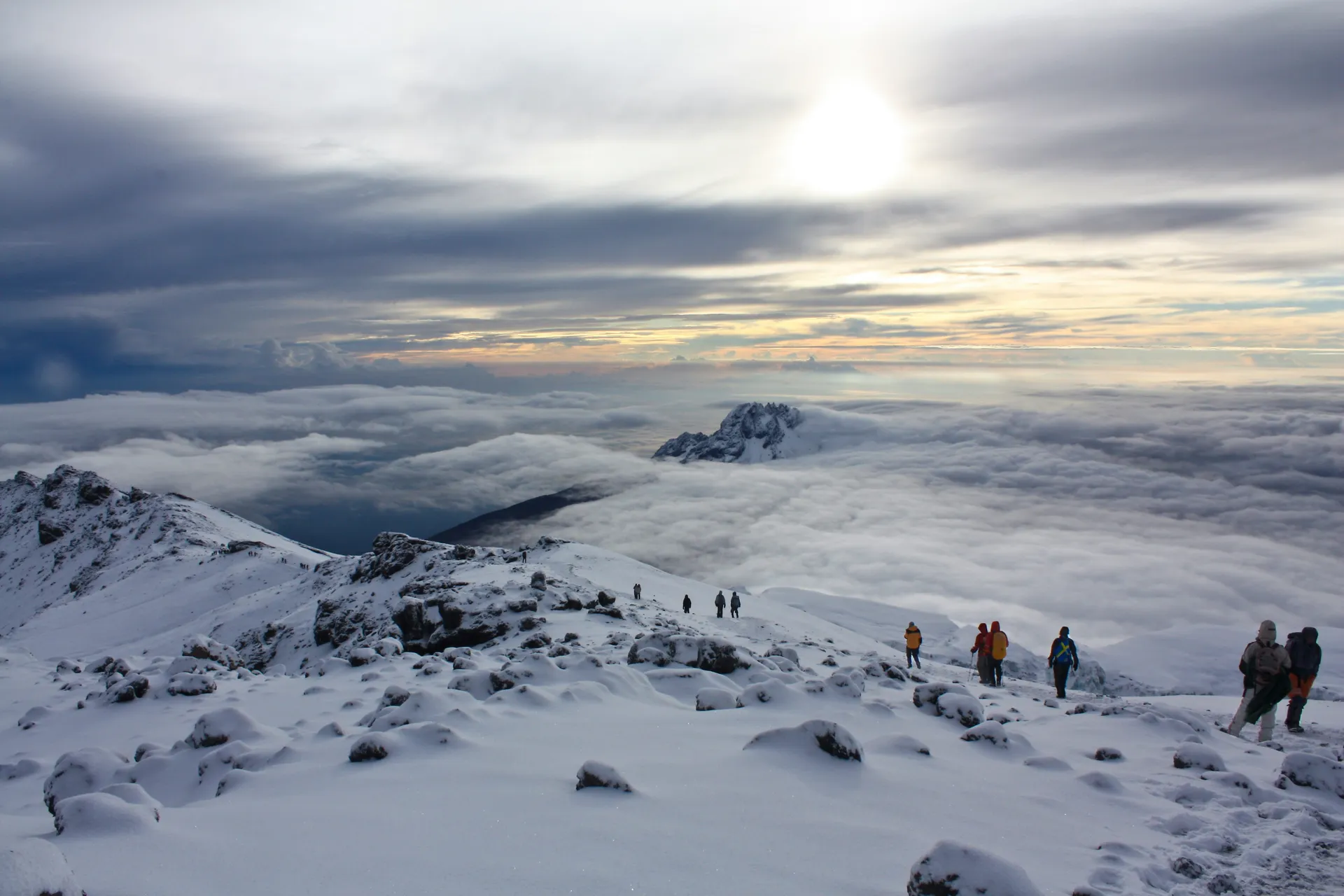
The Marangu is the oldest and most established route on Kilimanjaro, and the only one with sleeping huts at each camp — giving it a more comfortable, lodge-trekking feel. It's the most direct route and also the most affordable. The 6-day itinerary adds a crucial acclimatization day at Horombo Hut. Best for: first-time climbers who prefer comfort over scenery and want the most budget-friendly option.
2. Machame Route — "The Whiskey Route"
The most popular camping route. The Machame approaches from the southwest and crosses five distinct ecological zones, with the dramatic Barranco Wall as a highlight. Its "climb high, sleep low" acclimatization profile gives it a substantially higher success rate than Marangu. Best for: hikers with good fitness who want stunning scenery and a higher chance of summiting.
3. Lemosho Route — Our Top Recommendation
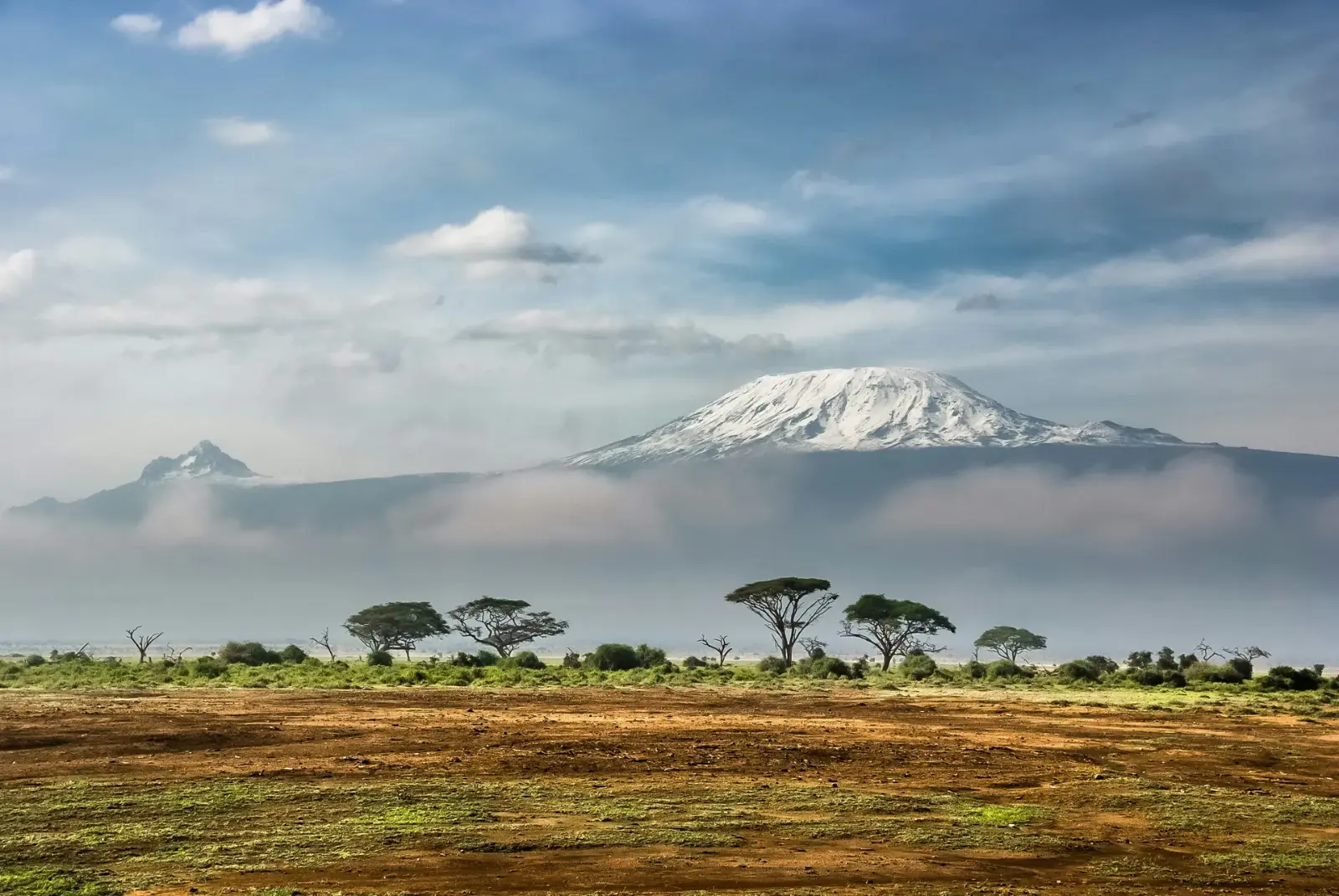
Lemosho is widely regarded as the best Kilimanjaro route overall. Starting from the remote western side, it crosses the entire mountain, offers the most pristine wilderness experience, and has the highest summit success rate thanks to its excellent acclimatization profile. You'll have 2 full days on the Shira Plateau before the technical upper sections. Best for: serious trekkers who want the best chance of success and a truly premium wilderness experience.
4. Rongai Route — The Northern Approach
The only route approaching from the north (near Kenya's border), Rongai is the least crowded and the best choice during Tanzania's wet seasons — the northern slopes stay drier. Wildlife is commonly seen on the lower slopes including buffalo and colobus monkeys. Best for: climbers visiting during April–May or November who want a quieter route with good wildlife viewing.
5. Umbwe Route — For Experts Only
The most direct and most challenging route. Umbwe gains altitude rapidly, giving your body very little time to acclimatize. The lower success rate reflects this. Not recommended for first-time Kilimanjaro climbers. Best for: experienced high-altitude trekkers with previous summit experience who want a raw, uncrowded challenge.
Our Recommendation
For most climbers we recommend the Lemosho Route (8 days) — it gives you the best acclimatization, the most stunning scenery, the most remote start, and the highest success rate. If budget is a priority, the Machame Route (7 days) is an excellent alternative. Contact us and we'll match you to the perfect route based on your fitness, experience, and travel dates.